


Rent Please! Landlord Sim
4.49.63K Reviews
App Specs
- Version
- 1.95.5.2
- Updated On
- License
- Free
- Downloads
- 10,000,000+
- Developer
- ShimmerGames
- Categories
- Simulation
- Platform
- Android, iOS
Screenshots



 Analysis by AppCompare
I approach Rent Please!-Landlord Sim as a light management game rather than a serious property simulator. Its appeal is the small cycle of making a decision, seeing how tenants and buildings respond, and then deciding what to improve next. You are not asked to master a complicated real-estate spreadsheet; the fun comes from gradually shaping a modest property into something more successful. That makes it easy to try during a short break, though it also means players looking for detailed economic modelling may find the simulation fairly gentle.
What a first session asks you to do
The starting point is deliberately manageable: you take charge of a modest building and begin learning how property choices affect progress. I like that the basic premise is clear without requiring a long study period. You can get oriented, make an early decision, and understand the landlord role through play rather than through a wall of instructions. The trade-off is that anyone who enjoys complex onboarding puzzles or a demanding strategy challenge may find the opening too forgiving.
The useful habit is to treat each choice as a small experiment. Before spending on an improvement, consider whether it addresses a tenant need or simply feels like the next available upgrade. That distinction gives the basic management loop more purpose: you are not only collecting progress, but choosing where to put it. When I play this way, the property feels like a place I am steering rather than a meter I am tapping.
How the feedback keeps the loop moving
Tenant needs and preferences are the human part of the management puzzle. They give upgrades a reason beyond making numbers rise, and they make the landlord decisions feel connected to the people living in the building. I would pay attention to what a tenant seems to need before committing resources; responding to a specific demand can be more satisfying than upgrading indiscriminately. This is also where the game’s accessible design helps: the central choices are easy to grasp, even if the best long-term priority is not always obvious.
That feedback is more about steady adjustment than high-pressure crisis management. The game includes maintenance problems and tenant disputes, so there is some friction, but the overall tone remains approachable. I would not pick it expecting a harsh test of emergency planning. Instead, its appeal is the change from one decision to the next: address a concern, improve the property, collect progress, and see what new goal gives the next session a reason to begin.
What rewards are good for
Tasks and milestones provide coins and upgrades that can be put back into the properties. The satisfying part is the reinvestment: a reward does not have to be the end of a task, because it can become the means to make the next improvement. I find it helpful to think of coins as a planning tool, not just a score. Holding back for a useful upgrade can feel better than spending as soon as something becomes available, especially if a tenant’s needs point toward a clear priority.
That choice also gives the game a modest strategic layer. If you focus only on the next reward, progress can feel like a checklist; if you connect a milestone to a longer-term improvement, the building’s growth becomes easier to follow. The game does not need elaborate financial rules to make that decision meaningful. Its strength is turning a simple reward into a reason to consider what kind of landlord you want to be.
Worth Reading Before You Choose

EA SPORTS FC Mobile 26 Is a Bigger Football Game, but It Takes Time

Flipboard Shows What News Apps Must Do Beyond the Feed

Switching to Android Auto Means Rethinking Your Driving Routine

Google Calendar Makes a Crowded Week Easier to Manage

Ludo King Makes the Most of the Minutes Between Plans

Baby Panda World Brings Quick Play to Modern Phones, but Its Game Library Feels Busy
Where a session pauses and why it resumes
The loop is naturally suited to brief visits: check what needs attention, make a property decision, collect or earn progress, and leave with a possible next step in mind. That is useful when I have a few spare minutes and want a clear goal rather than a sprawling campaign to remember. It can also make the game feel repetitive if I return without a plan, because property upgrades and reward collection are the main attractions. I get more from a session when I choose one priority—such as responding to a tenant need—then stop once that decision has paid off.
For an everyday example, I might open it while waiting for a meal to finish, check the building, decide whether a tenant concern deserves attention, and spend the resulting progress on an improvement rather than browsing menus without direction. The point is not that every visit offers a dramatic event; it is that the game gives a small, understandable task that can be completed or advanced in a short window. If I want a game that demands sustained concentration, I would choose something deeper. If I want a gentle management routine, that compact rhythm is a strength.
Costs, expectations, and who will enjoy it
The game is free to start, and optional in-app purchases range from $0.99 to $99.99 per item. I would treat spending as a convenience choice rather than a requirement for enjoying the central landlord loop: the appeal is still in deciding how to grow the property and respond to tenants. Ads and purchases are part of the experience, so players who want a completely interruption-free game should be prepared for that trade-off rather than assuming every session will be untouched by monetization. The game is rated Everyone, which reflects its broadly approachable presentation, but that does not mean its pace will suit every player.
Compared with a city builder, this is a narrower, more personal kind of simulation: the focus stays on buildings, tenants, and property decisions instead of asking you to plan a whole urban network. Compared with a deep management game, it is easier to pick up but offers less room for intricate economic planning. I would recommend it to someone who enjoys visible incremental progress, simple choices with a tenant-focused theme, and sessions that do not demand a long uninterrupted block of time. I would skip it if I wanted realistic landlord work, complex market systems, or constant strategic pressure.
First Impressions
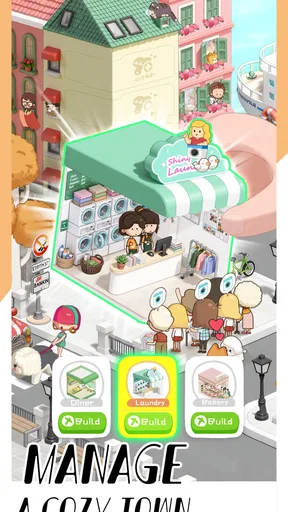
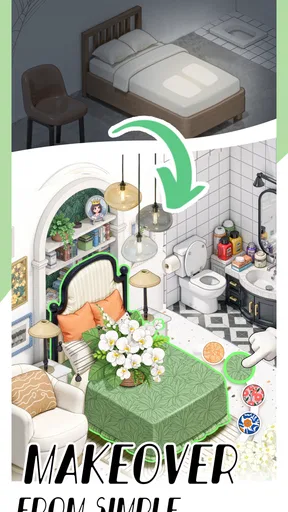
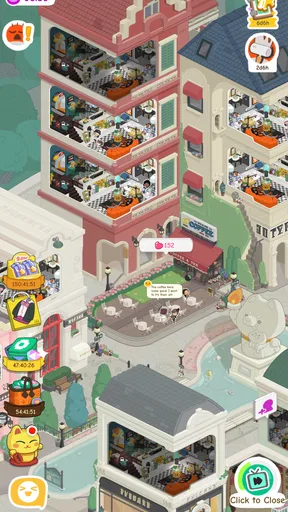
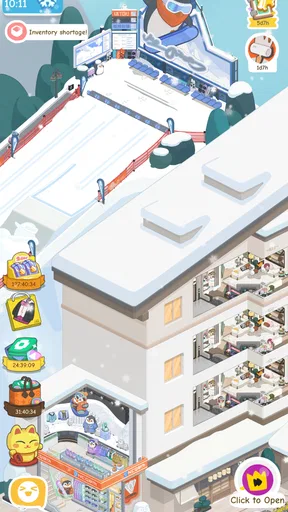
Firing up Rent Please!-Landlord Sim for the first time, I was immediately drawn in by its colorful and engaging interface. The game strikes a perfect balance between being visually appealing and user-friendly. It doesn’t bombard you with complicated tutorials or endless menus. Instead, it eases you into the role of a landlord with a gentle learning curve. The graphics are crisp and vibrant, creating a playful atmosphere that keeps you hooked.
Gameplay and Features
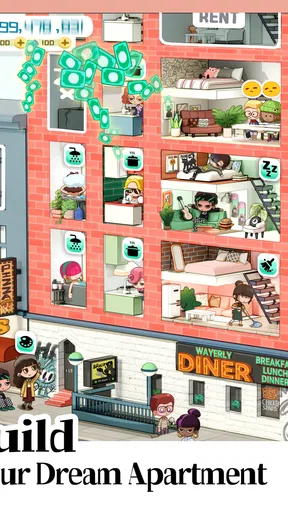
The core of the game revolves around managing your properties and tenants. You start with a modest building, and as you progress, you can expand your real estate empire. The game mechanics are simple yet surprisingly addictive. You’ll find yourself constantly tweaking your strategies to maximize rent and keep your tenants happy.
One of the standout features is the tenant interaction. Each tenant has unique needs and preferences, which adds a layer of strategy to the game. You’ll need to decide whether to invest in property upgrades or cater to specific tenant demands. This dynamic keeps the gameplay fresh and offers a great deal of replayability.
Challenges and Rewards
As with any simulation game, challenges are part of the package. In Rent Please!-Landlord Sim, you’ll face various obstacles, such as unexpected maintenance issues or tenant disputes. These challenges require quick thinking and resource management, keeping you on your toes.
The game is generous with its rewards system. Completing tasks and achieving milestones earns you coins and upgrades, which you can reinvest into your properties. It’s a satisfying loop that makes the gameplay rewarding and keeps you coming back for more.
In-App Purchases and Ads
Let’s talk about the inevitable—ads and in-app purchases. The game does include these elements, but they’re not intrusive. You can enjoy a full experience without spending a dime, although microtransactions are available if you want to accelerate your progress. Ads are minimal and can be easily skipped, which is a relief for those who prefer uninterrupted gameplay.
How I’d choose between upgrades
When the next improvement is visible, it is tempting to buy it simply because it is available. I would resist that reflex and first ask what is holding back the building: a tenant need, a maintenance concern, or a general desire to move forward. This small pause makes the choices feel more deliberate and helps prevent a session from turning into a string of unconnected taps. It is a useful approach whenever several demands compete for the same pool of progress.
I would also avoid treating every tenant request as identical. The game’s distinctive character comes from the fact that residents have different preferences, so their needs are a reason to make selective decisions rather than apply one upgrade strategy everywhere. If I am short on time, I focus on the concern that most clearly affects the next step; if I have longer, I can compare that with a property improvement that supports broader growth. The tension between immediate care and gradual expansion is the most interesting decision the game offers.
A practical way to fit it into a day
Its compact rhythm suits a routine where I want a small, self-contained distraction rather than another game that asks me to remember a long chain of objectives. I might check in during a commute break or while waiting for someone, handle one clear task, and leave once I have spent or saved progress with intention. I would not open it expecting every visit to produce a major change. The more useful expectation is a gradual sense of stewardship, built from several small decisions.
That makes it a particularly comfortable choice for players new to simulation games. The landlord theme is easy to understand, and the colorful presentation softens the management side without removing the need to prioritize. More experienced players can still enjoy the decision-making, but they should come for an accessible routine, not for the depth of a demanding tycoon game. If a session needs to feel different every time, or if you want a complex system to master, this is probably not the strongest match.
What the game does—and does not—simulate
The real-world landlord comparison is best treated as a playful frame, not a promise of realistic property management. The central concerns are tenants, improvements, rent, and the flow of rewards; the game’s friendly pace keeps those ideas approachable. That is a benefit if you want a low-stress management theme, but it also limits the appeal for anyone hoping to learn about leases, budgets, or the practical responsibilities of owning rental property. I would not use it as a guide to real housing decisions.
It also differs from a conventional building game that puts most of its attention on laying out roads or designing a broad city. Here, the tenant relationship gives the choices a more personal focus. A city builder may be better if spatial planning is what you enjoy; a more detailed tycoon game may suit you if you want to optimize complex systems. This one occupies the lighter middle ground, where you can think about a decision without needing to plan every consequence several stages ahead.
Details worth knowing before you start
ShimmerGames developed this simulation, which was released on Oct 24, 2022. It has a 4.5 average from around 364,000 ratings, with over 10 million installs and around 9,200 written reviews. Those figures suggest that it has reached a broad audience, but popularity alone does not tell me whether its relaxed loop will suit you; the better test is whether you enjoy choosing between tenant needs and property growth.
The current version is 1.82.5.2, and it requires Android 7.0 or later. Those details are handy if you are checking an older device before installing. The Everyone age rating and free entry make it easy to try, while the optional purchases are worth keeping in mind if you prefer to avoid spending inside games. I would begin without paying and decide later whether the pace itself is enjoyable; buying something to speed up a loop you do not like would not fix the underlying mismatch.
My verdict on the landlord loop
For me, the appeal comes from the clear chain of action, feedback, and reinvestment: choose what to address, see how the building and its residents respond, then use the reward to shape the next decision. The cycle is approachable rather than deep, and that is both its main strength and its main limitation. I can recommend it to a friend who wants a colorful, low-pressure property-management game that works in short visits, especially if tenant needs make simple upgrades more engaging.
I would point a friend toward a more involved strategy or city-building alternative if they want a demanding long-term plan, realistic housing details, or constant novelty. For everyone else, Rent Please!-Landlord Sim offers a pleasant reason to return: there is usually another small property choice to make, and enough visible progress to make that choice feel worthwhile. It works best when I play at its pace, spend thoughtfully, and treat the landlord theme as a light simulation rather than a serious lesson in real estate.
Pros
- Engaging gameplay with realistic scenarios.
- Variety of properties to manage and upgrade.
- User-friendly interface for easy navigation.
- Regular updates with new features and events.
- Interactive community with social features.
Cons
- In-app purchases can become expensive.
- Ads can be intrusive during gameplay.
- Requires constant internet connection.
- Limited customization options for properties.
- Progression can be slow without purchases.
FAQs for Rent Please! Landlord Sim
What is the main objective of Rent Please!-Landlord Sim?
Rent Please!-Landlord Sim is a simulation game where players take on the role of a landlord. The main objective is to manage properties, attract tenants, and maintain a profitable rental business. Players can upgrade facilities, handle tenant requests, and expand their real estate empire, offering an engaging and strategic gaming experience.
How does the game handle in-app purchases?
Rent Please!-Landlord Sim offers in-app purchases that allow players to enhance their gaming experience. Players can buy currency or special items to speed up progress or unlock exclusive content. While these purchases can provide advantages, they are entirely optional, and players can enjoy the game without spending money.
Is Rent Please!-Landlord Sim suitable for children?
The game is generally suitable for older children and teenagers, as it involves strategic thinking and financial management. However, parents should be aware of the in-app purchase options and ensure that younger players understand the concept of spending real money in the app. The game does not contain graphic content, making it family-friendly.
Can I play Rent Please!-Landlord Sim offline?
Rent Please!-Landlord Sim requires an internet connection to function properly. The game relies on online features such as updates, events, and social interactions. While some basic features might be accessible offline, the full experience requires connectivity to ensure seamless gameplay and access to all content.
What are the system requirements for Rent Please!-Landlord Sim?
Rent Please!-Landlord Sim is available for both Android and iOS devices. The game requires a minimum of Android 5.0 or iOS 10.0 to run smoothly. It’s recommended to have at least 2GB of RAM and sufficient storage space for updates and additional content. Regular updates might increase these requirements over time.


